


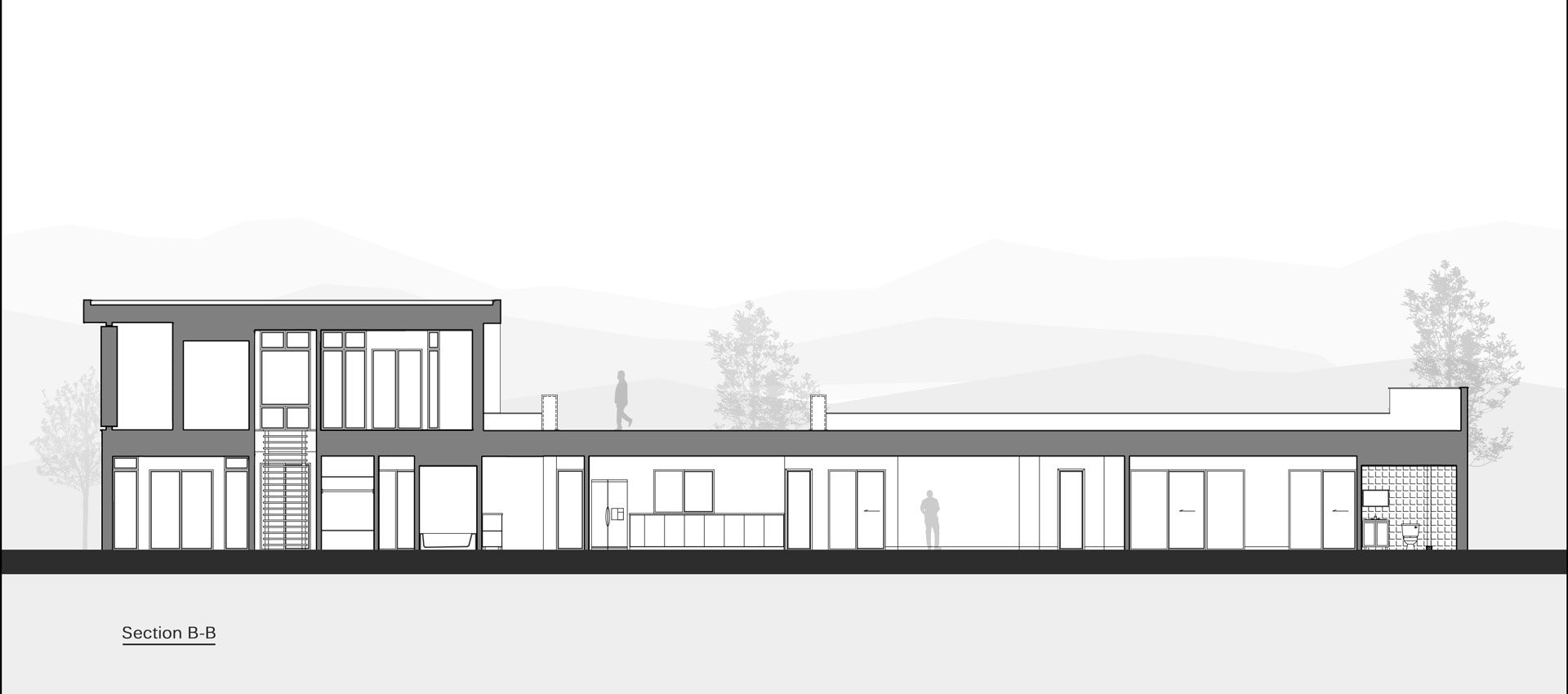
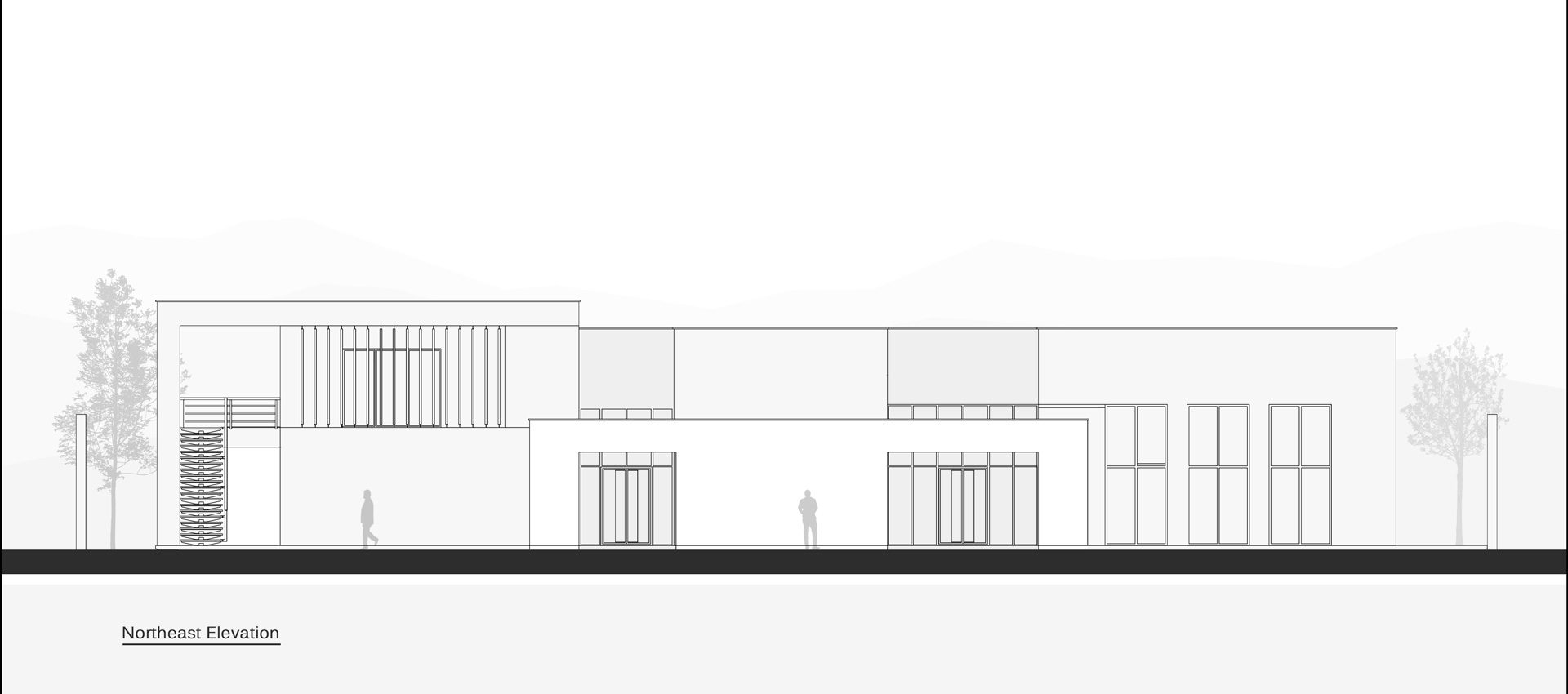
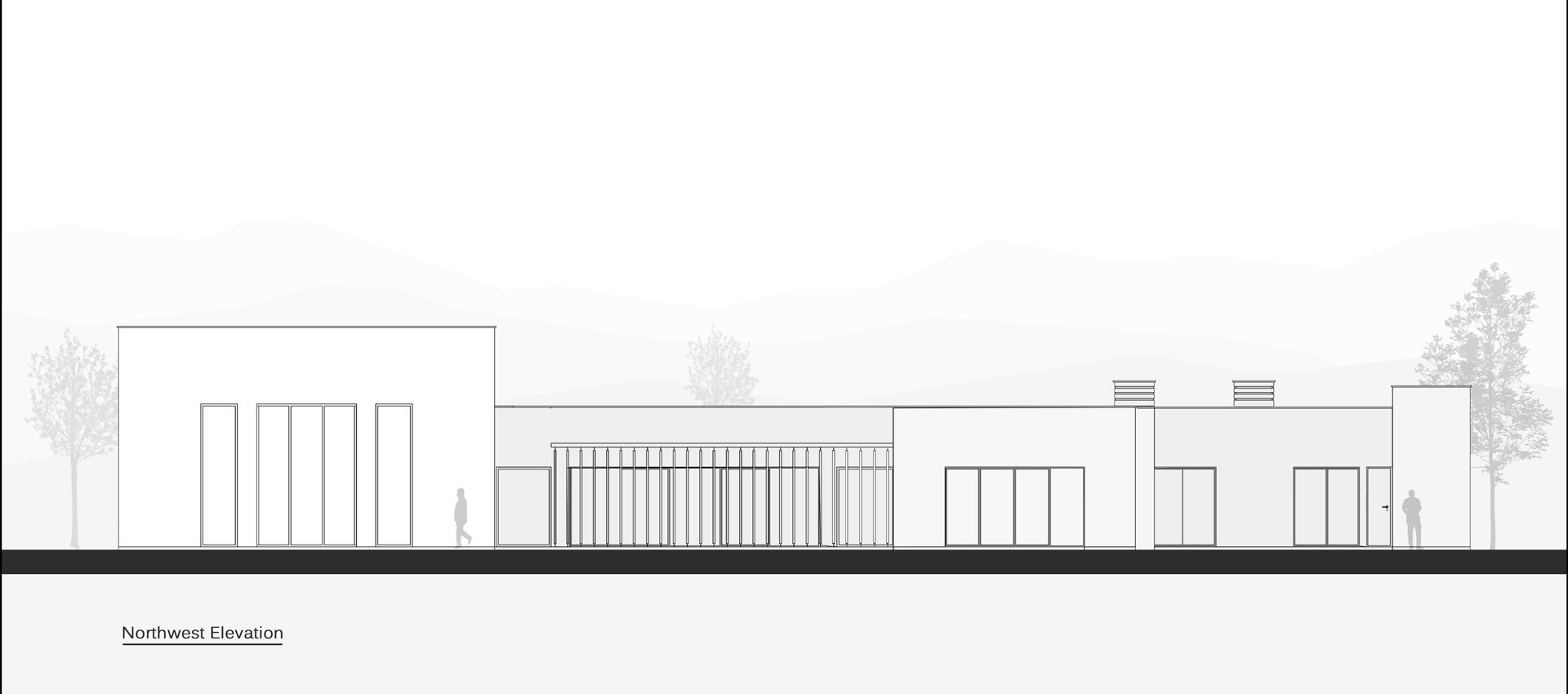
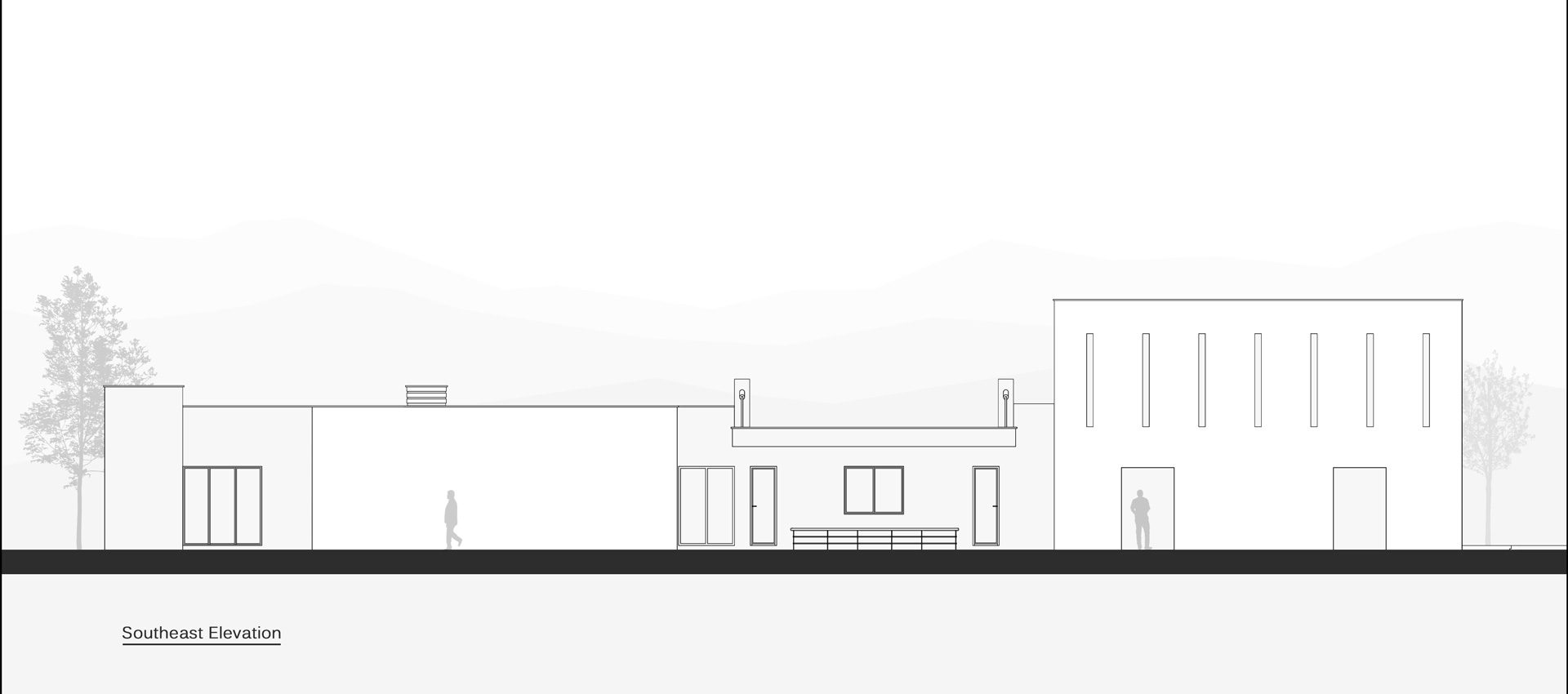
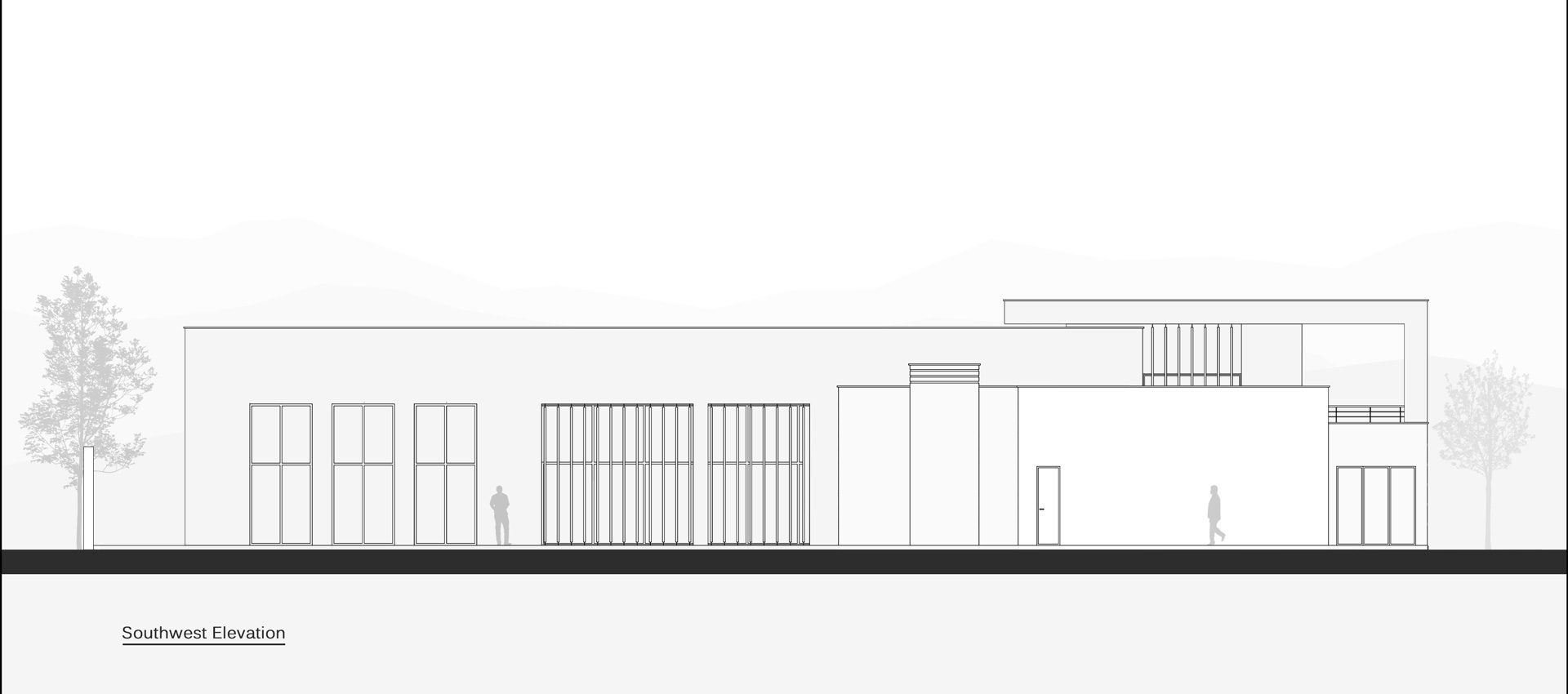
Problem statement: Approaches to reinterpreting the spaces of Yazd’s historic houses in a modern revision.
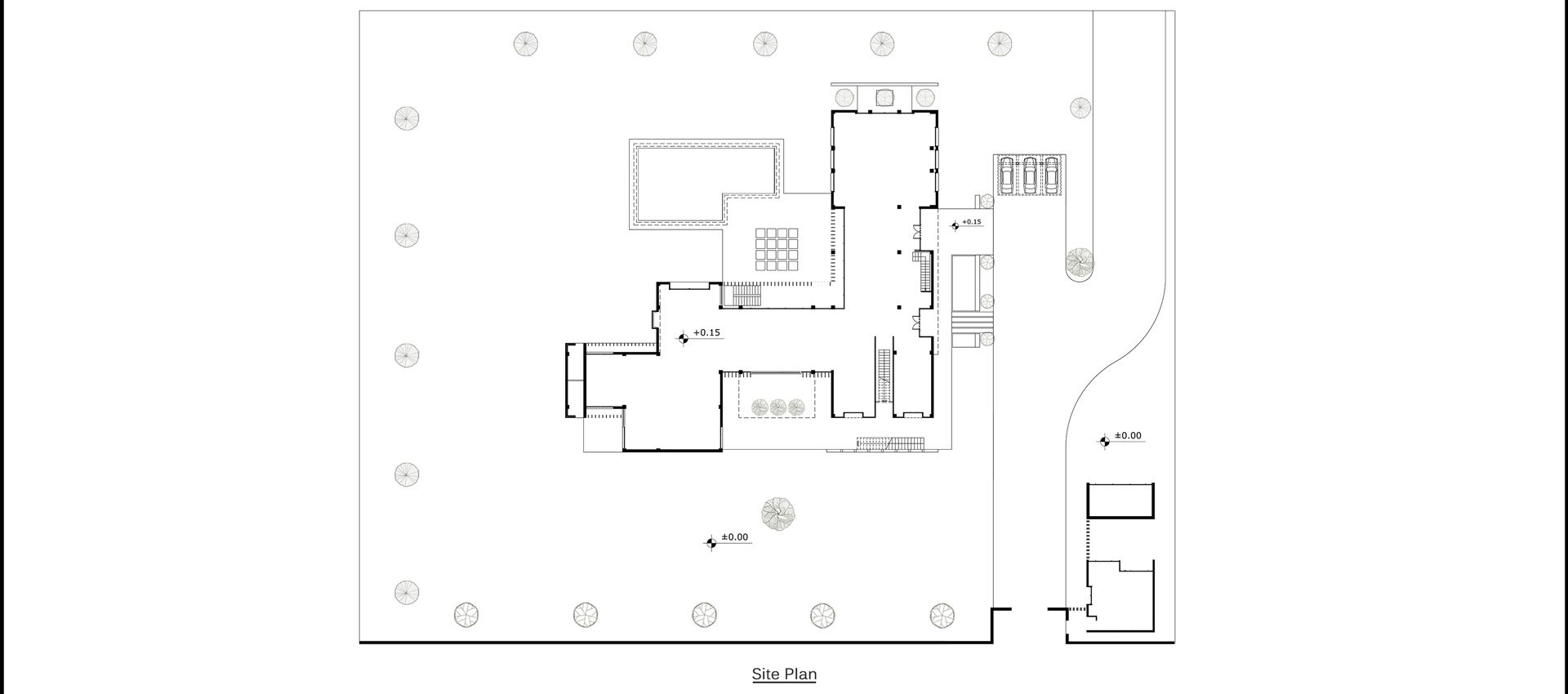
Reason for the problem statement: The project’s location in a historic city reflects a lifestyle that combines modern living, privacy, diversity, and various guests. The significance of the project’s placement within the site, considering the climate conditions and the features of the land within a historical garden house, surrounded by a weak residential area, were multiple factors guiding us toward the spatial organization patterns of the historical houses in Yazd. It was obvious to us that this issue required a modern reinterpretation.
Response to the problem statement: To define our core strategy, we explored two main sources of inspiration: the historic houses or the pavilions and garden structures. The variety of topics and desired functions on one side, and the necessity of privacy on the other, led us to base our strategy on the study of traditional Yazd house typologies. This approach enabled us to develop a master diagram of patterns and concepts for spatial division, forming a foundation to redefine spaces for modern life. To reach these definitions, we simultaneously explored two interrelated topics: Building placement and spatial organization.
Three main approaches to building placement are available:
- Establishing privacy and eliminating intrusive views from nearby buildings.
- Orienting the house toward the historic garden complex.
- Considering the climate, shading features, and urban orientation.
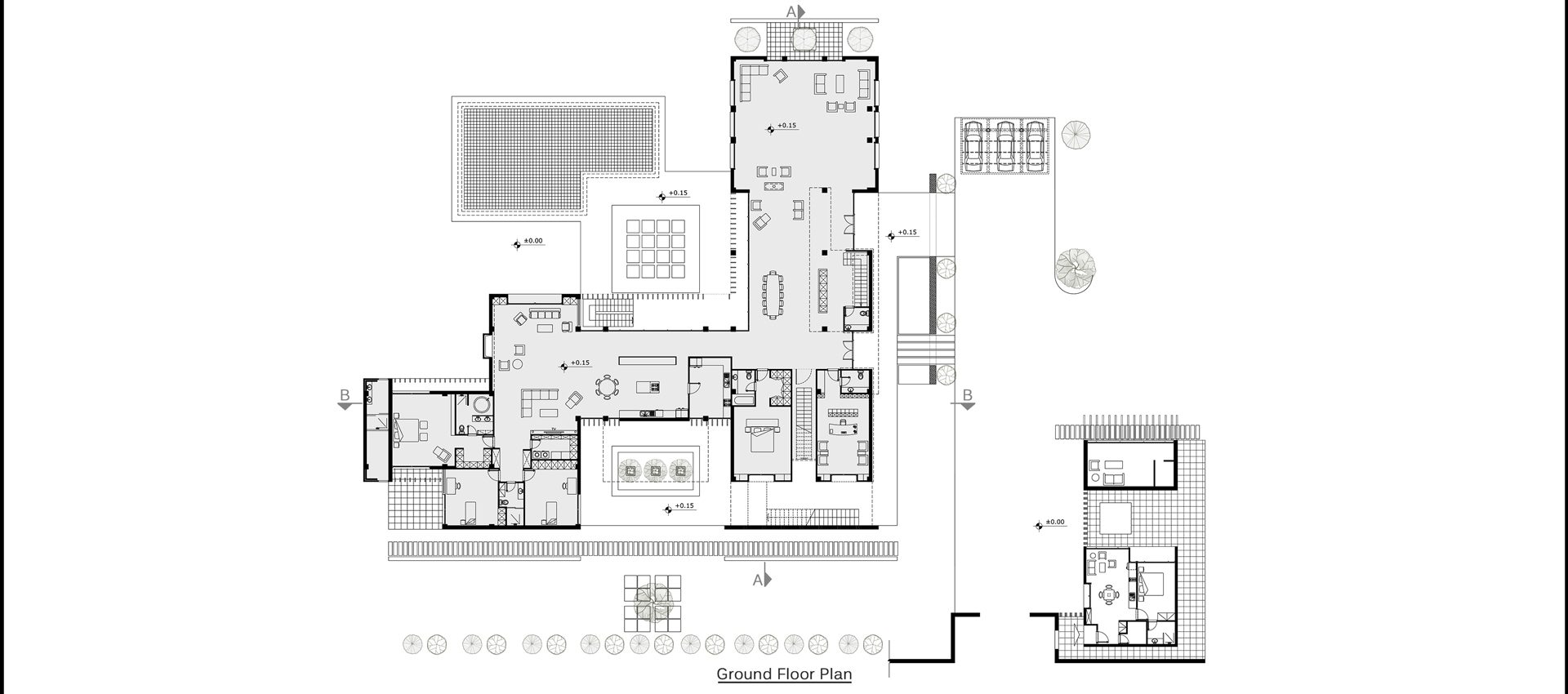
Our goal in organizing the space was to accurately reinterpret the spatial patterns and concepts of Yazd’s historic houses and to reconstruct these within a contemporary framework. The spatial organization was developed through a conscious, process-oriented effort that addressed the intended needs and concepts. The areas of the house were defined in six main sections.
- Guesthouse: Featuring a separate entrance, this area includes a reception space, dining area, and guest bedrooms.
- Private Section: This area is dedicated to the living room and bedrooms, evoking the concept of the “Andaruni” ¹ found in traditional houses.
- Kitchen: Our definition of the kitchen differs from the traditional “Matbakh” ². In this house, the kitchen and its cooking area are connected to the private living room, dining area, guesthouse, main courtyard, and “Narengestan”, allowing life to flow naturally through this space.
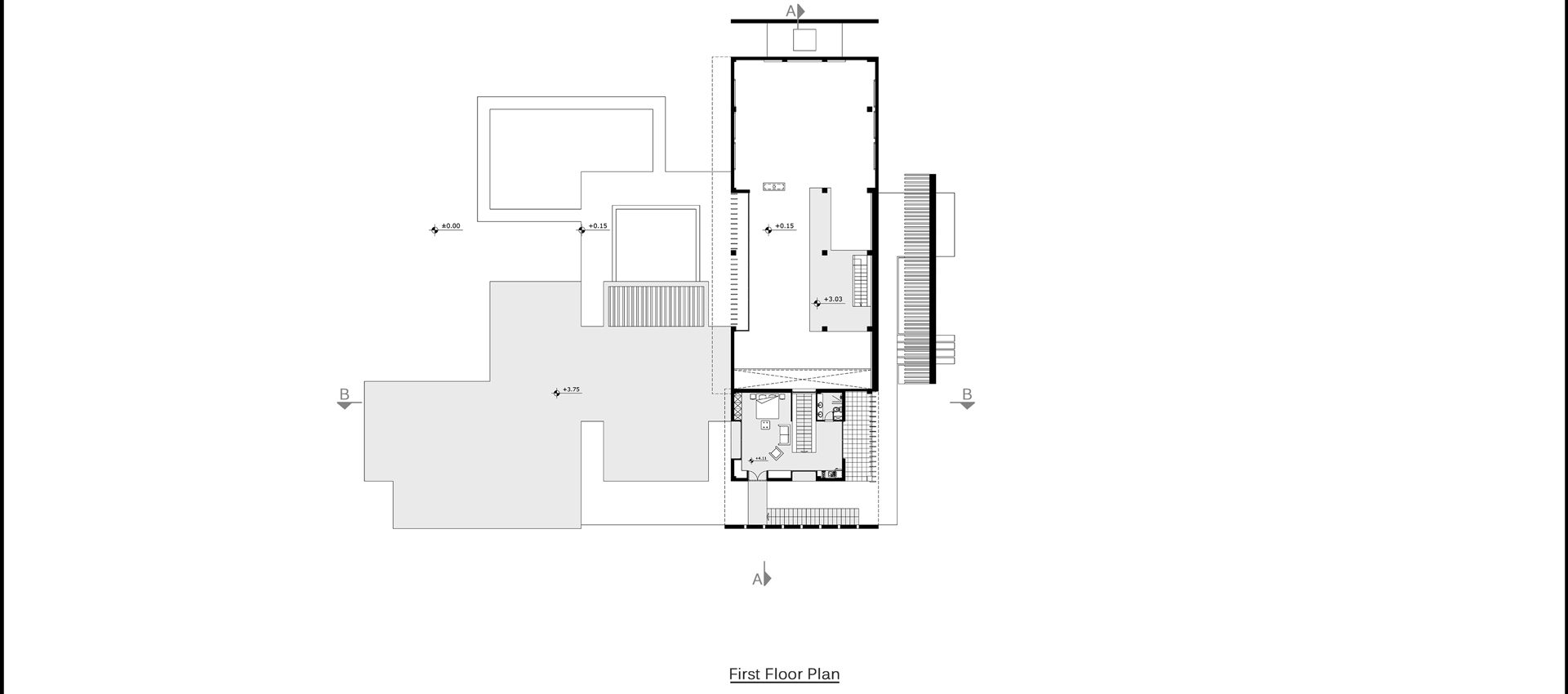
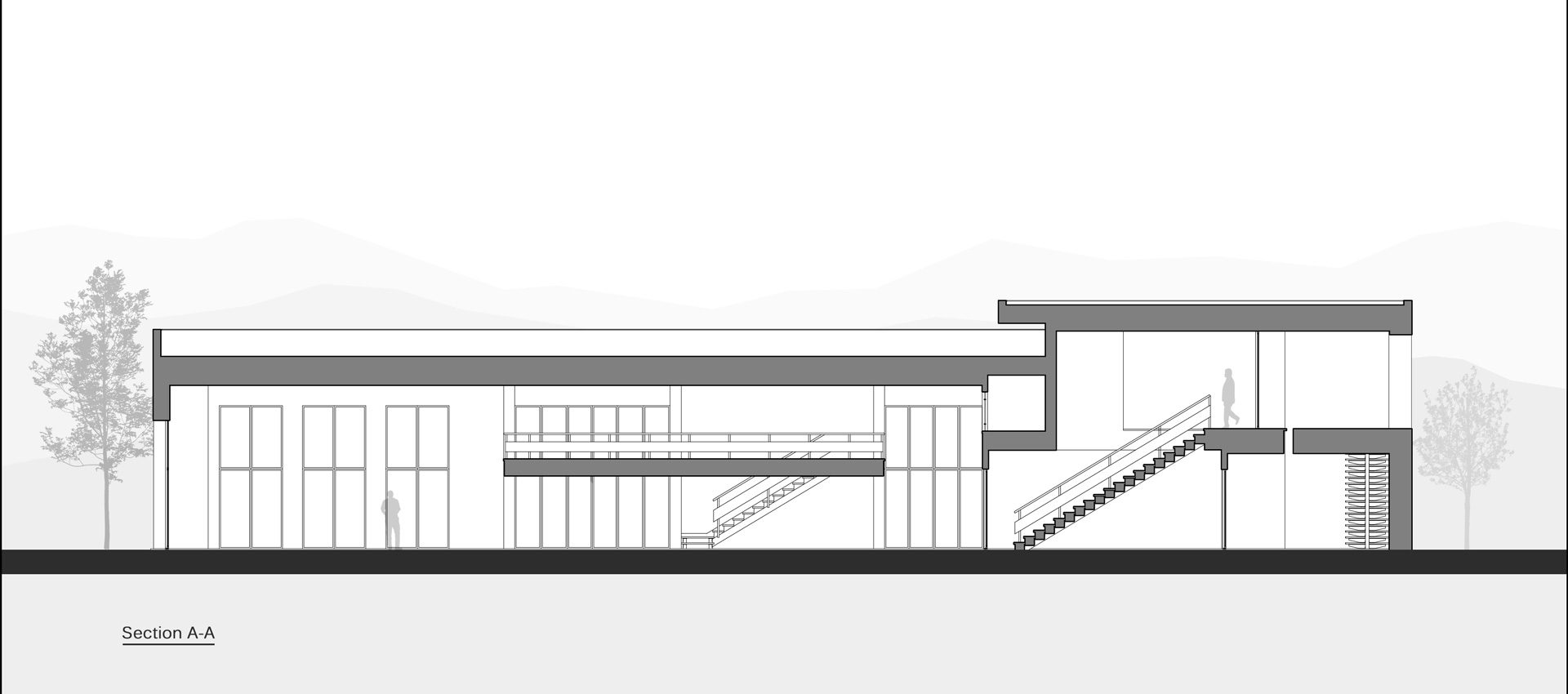
- Upper House: situated on the upper floor, this area contains two access points, both internal and external, designated for long-term guest accommodation.
- Narenjestan: A sunken garden featuring a pond and orange trees, surrounded by a gym, service quarters, and other support spaces.